First introduced back in the early ’70s as a basketball shoe, over the years, the legendary Nike Blazer has smoothly transitioned into the world of streetwear. Known for its sleek, minimalist design, these sneakers have stood the test of time. But beyond their stylish exterior, a key question often arises among potential wearers: How does the Nike Blazer fare in terms of comfort and support? And how does it fit?
In this in-depth sizing guide and review, Captain Creps will explore all of these aspects, providing a closer look at what you can expect from wearing these iconic Nike shoes in your daily life. So let’s get to it.
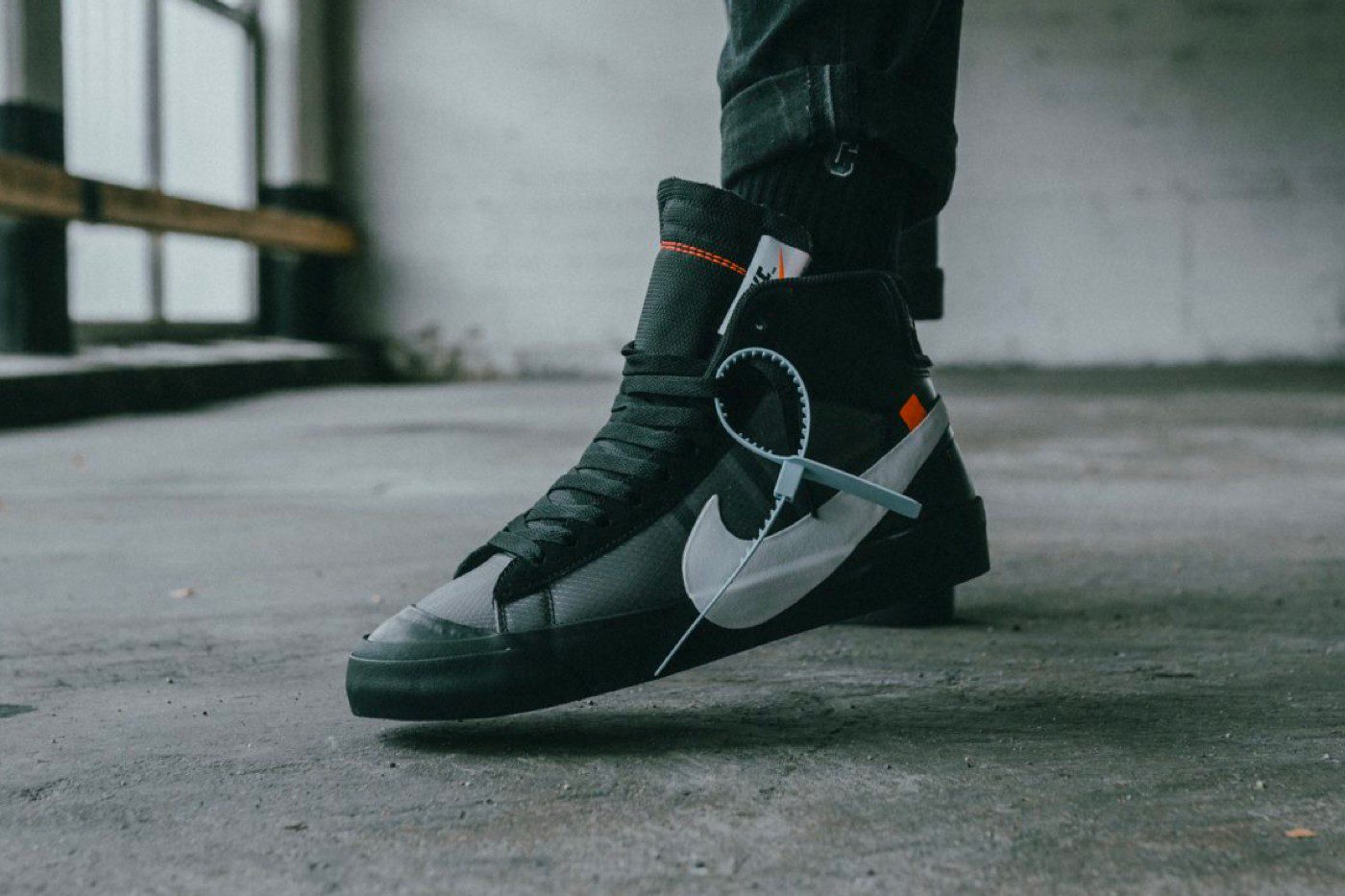 Image source: Solebox
Is the Nike Blazer Comfortable?
To determine the comfort of the Nike Blazer, you must consider various factors such as its construction, materials, and cushioning. Nike originally crafted the Blazer for basketball courts to provide players with a balance of comfort and functionality. Today’s iterations of the shoe stay true to this ethos, despite their transition to more casual wear.
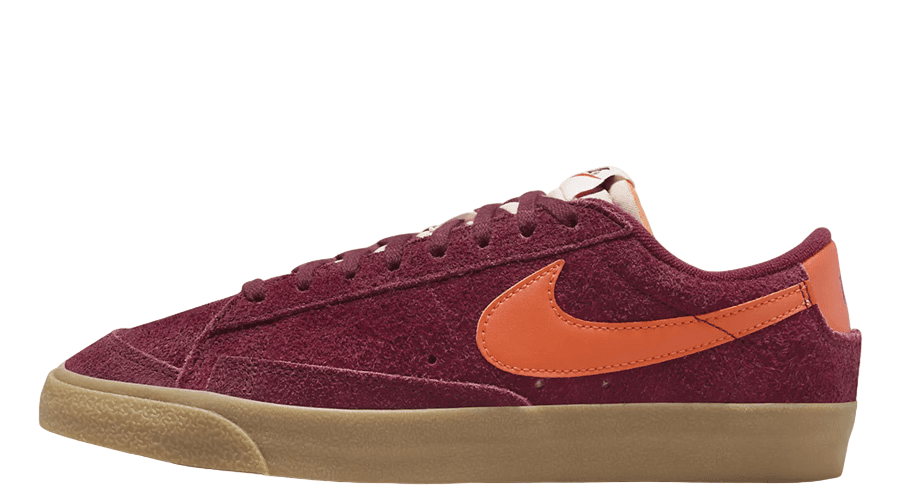
Typically, the upper of the Blazer is crafted from a combination of leather and suede, and some models also feature canvas. This blend not only provides durability but also a degree of flexibility and breathability, crucial for comfort. Inside the shoe, the tongue and collar are often padded, reducing the risk of irritation around the ankle and instep.
When it comes to the insole, Blazers are equipped with a standard foam one, providing a basic level of cushioning. While it might not match the plushness of Nike’s more technologically advanced models, it offers adequate comfort for day-to-day activities. For those requiring additional cushioning, the insoles are removable, allowing for the insertion of custom orthotics or more cushioned alternatives.
Is the Nike Blazer Supportive?
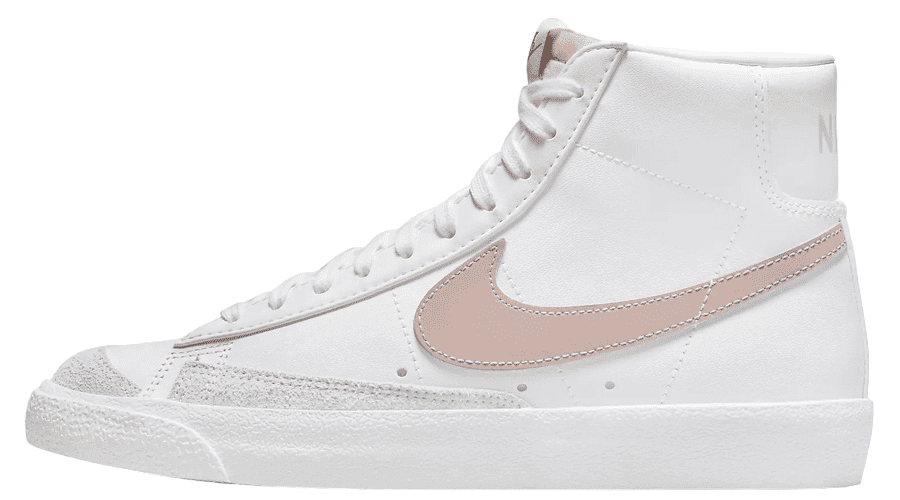
Support is crucial in any trainer, particularly for those on their feet for long periods. The high-top design of the Nike Blazer naturally offers a level of ankle support not found in low-top sneakers, making it a key feature for day-long comfort. This aspect makes it a favourable option for those who value ankle stability in their footwear choices.
The structure of the Blazer is designed to provide a secure fit. The lacing system, extending up the ankle, allows wearers to adjust the tightness to their liking, thereby enhancing the shoe’s overall support. However, it’s important to note that while the Blazers offer adequate support for casual wear, they might not be suitable for activities that require extensive lateral movement or vigorous physical exertion, as they lack the advanced support features found in modern athletic sneakers.
Furthermore, the flat sole of the Nike Blazer, while stylish and versatile, provides minimal arch support. This design can be a drawback for individuals with specific arch support needs. However, the aforementioned removable insoles present an opportunity to customise the shoe’s support level to suit individual preferences and needs.
 Image source: Pinterest
Does the Nike Blazer Run True to Size?
Sizing is an essential aspect to consider when buying any sneaker, and the Nike Blazer is no exception. Generally, they tend to run true to size. However, this can depend on the particular model and material composition of the shoe. The traditional leather models might feel snug at first but usually stretch and mold to the foot’s shape, providing a personalised fit after a few wears.
It’s recommended for potential buyers to try on the sneakers, especially if purchasing a model with different materials than they are used to. Those with wider feet might consider going half a size up for a more comfortable fit, as the standard Blazer model can be slightly narrow.
Is the Nike Blazer a Gym Shoe?
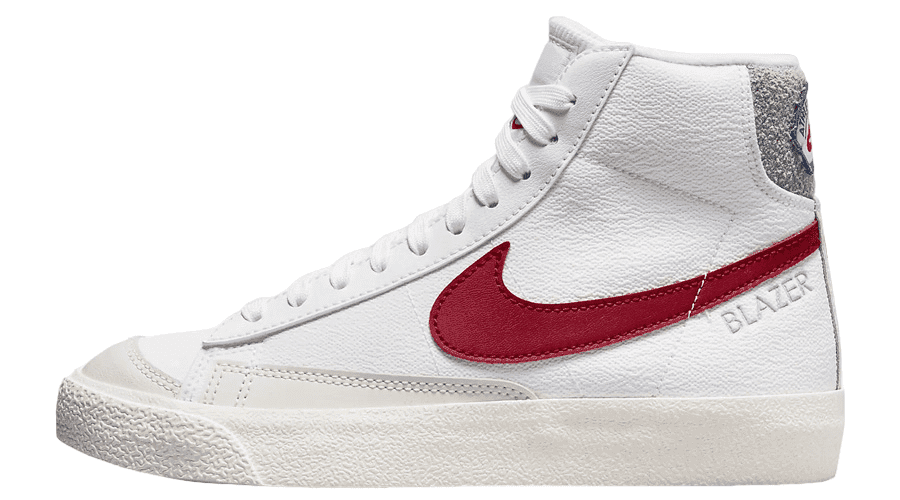
Originally designed as basketball shoes in the ’70s, Nike Blazers have since transitioned predominantly into lifestyle sneakers. While they maintain a semblance of their athletic roots, their current design is more suited for casual wear rather than rigorous gym workouts or athletic training.
The Blazer’s flat sole and minimal arch support are tailored more towards casual or light physical activities. While they offer sufficient support for day-to-day use, they may not provide the necessary cushioning and support needed for high-impact gym activities or sports that require quick, multi-directional movements. However, for lifting and other stability-requiring workouts, the flat sole of the Blazers provides gym goers with the performance that they need. That way, they can safely deadlift while still looking stylish.
 Image source: Footshop
The Bottom Line
It’s quite clear that the Nike Blazer is as iconic now as it was back in the day. These sneakers offer a certain degree of cushioning and support, suitable for everyday activities and light sports. However, they may not be the best choice for more intense athletic endeavors due to the limitations in advanced sports technology that modern athletic shoes possess.
The Nike Blazer’s enduring appeal lies in its classic design, bridging the gap between retro and contemporary style, making it a versatile addition to any wardrobe.