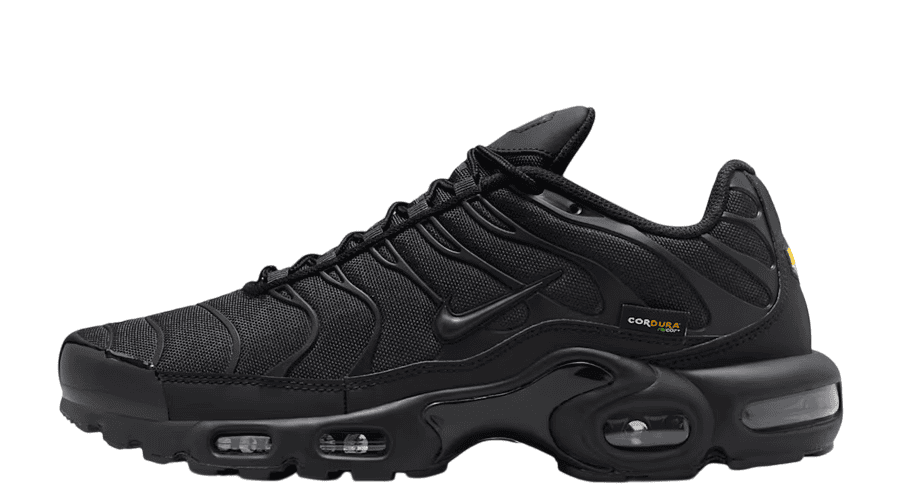
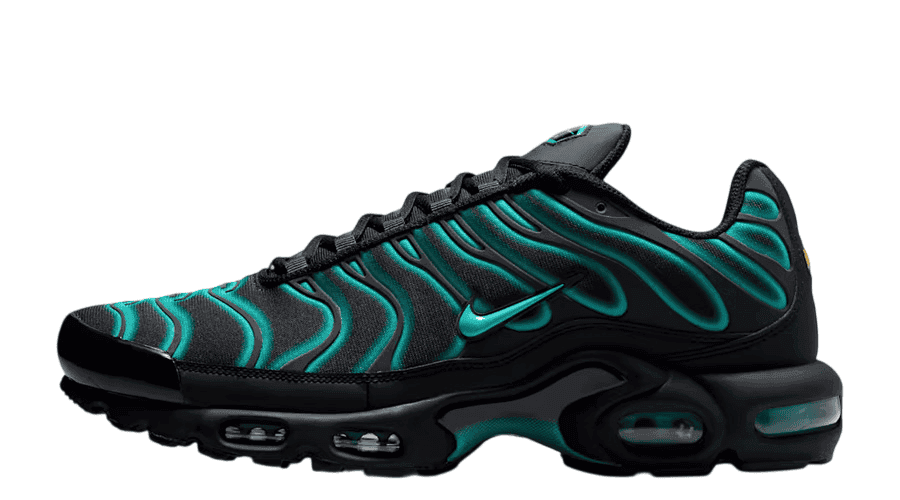
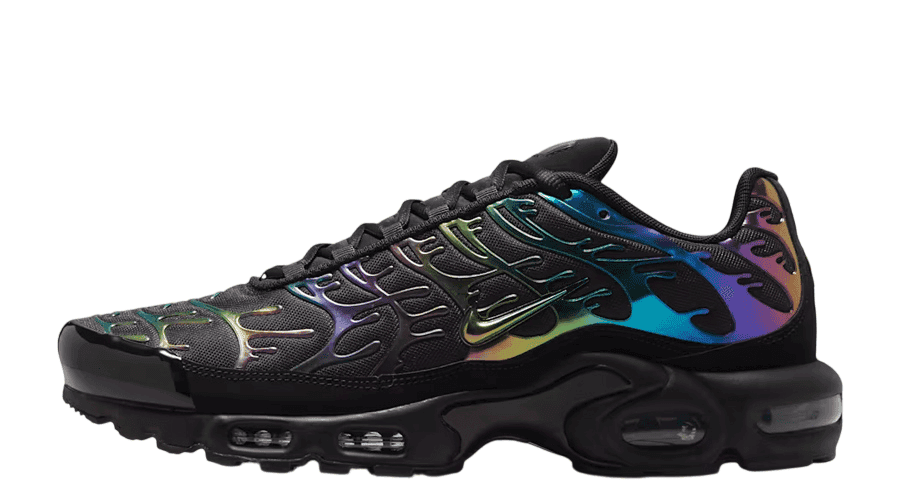
The Nike Air Max Plus is, without question, one of the most iconic Nike sneakers ever made. Designed by the mega talented Sean McDowell, it was first introduced in 1998 and has completely transformed the sneaker industry. While it was originally created for the streetwear market, over the years, more and more people have been using them for light running and gym workouts.
But are they actually suitable for these types of activities? What are some of its key features? In this Captain Creps article, we’ll be exploring the Nike Air Max Plus, and telling you everything that you need to know. So, let’s get to it!
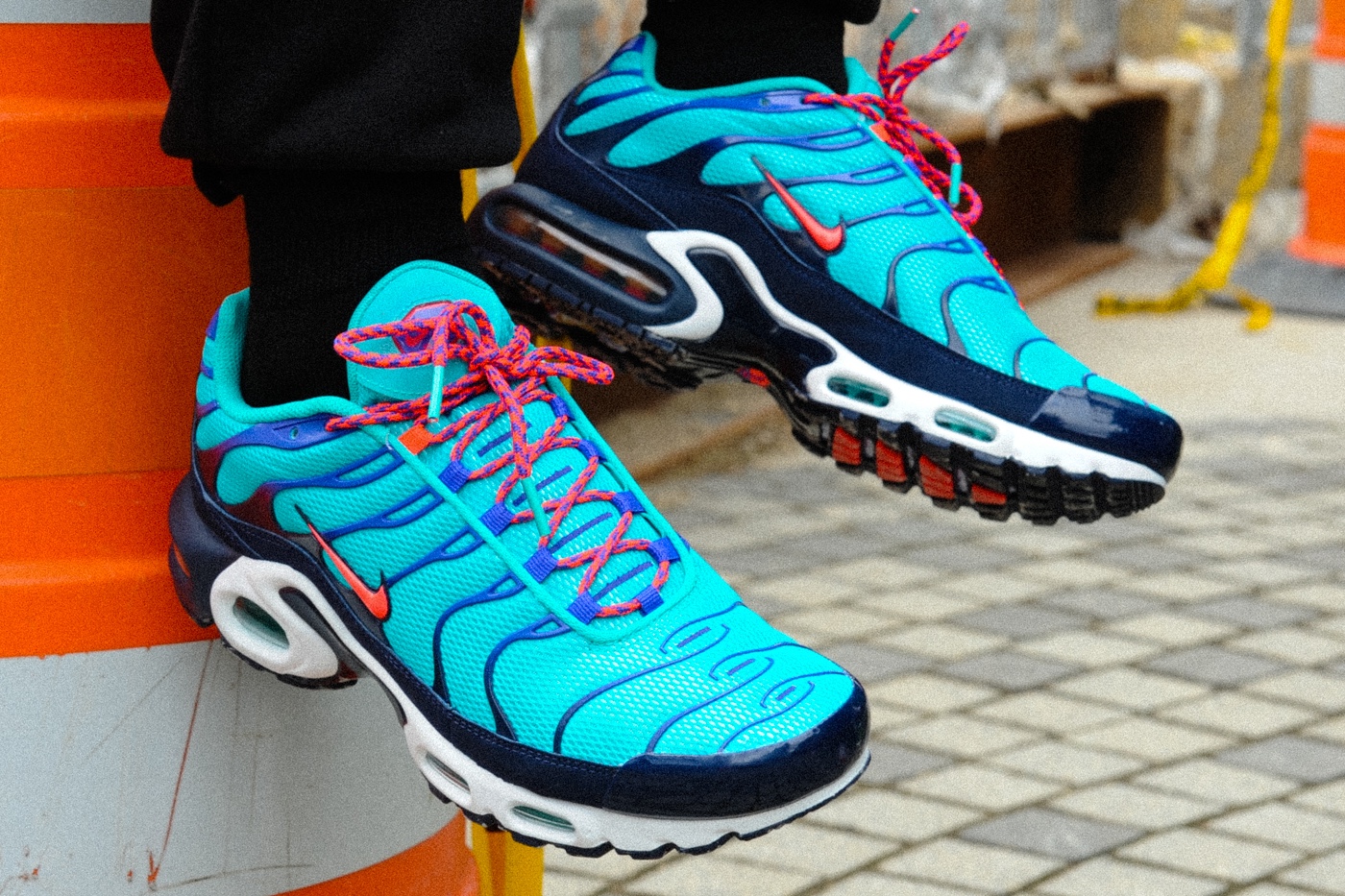 Image source: Foot Locker
What are Some of the Nike Air Max Plus’ Features?
To kick things off, let’s talk about some of the key features of the Air Max Plus. Central to its design is the Air cushioning system. This technology has been designed to absorb as much impact as possible, offering a cushioned ride that’s both supportive and comfortable. The AMP is also equipped with a mesh material that promotes excellent airflow. This also helps to keep the feet cool, an essential aspect for those who are planning to wear them for extended periods of time.
The outsole has been made for endurance. It’s crafted to provide traction across a variety of surfaces, ensuring that wearers have a reliable grip. This durability is a key factor for those looking for a long-lasting shoe option.
Is the Nike Air Max Plus a Good Light Running Shoe?
For light running, the Air Max Plus offers a mixed bag. The targeted cushioning from the Tuned Air technology is great for absorbing impact, making them extra comfortable for short runs or jogs.
However, it’s worth noting that these trainers weren’t primarily designed for running. They can handle the occasional jog but might not be the best choice for those dedicated to running, especially over longer distances. In short, for light running, they can do the job, but there are more specialised options out there for serious runners.
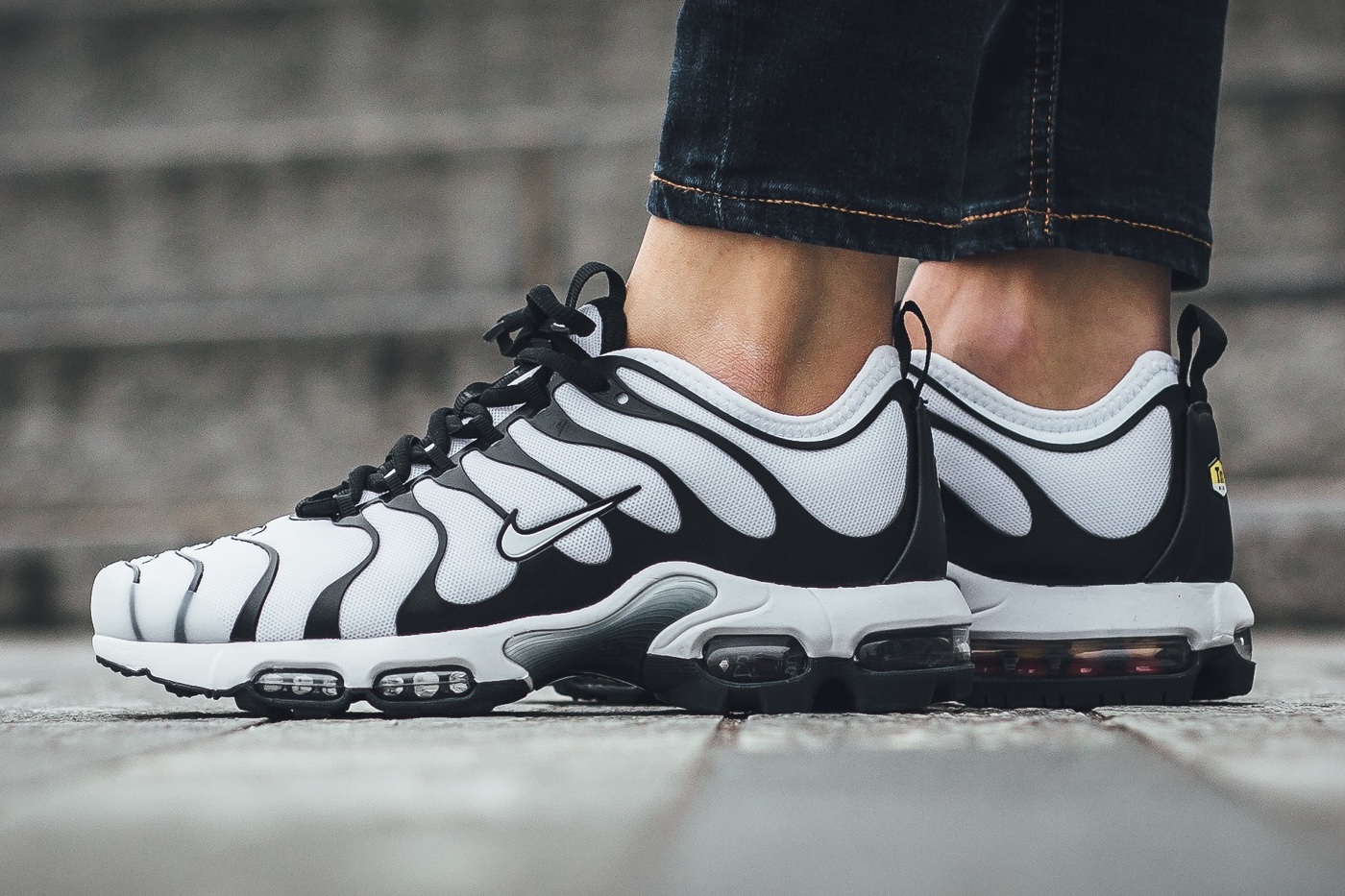 Image source: Titolo
Is the Nike Air Max Plus a Good Workout Shoe?
When considering Air Max Plus for gym workouts, it’s essential to focus on what truly matters: support, grip, and durability. They bring a unique proposition with their Air cushioning, designed to offer a comfortable stride and impact absorption.
This feature, while beneficial for daily wear and light cardio, may not align with the stability required for heavy lifting. The cushioning, intended to provide a soft landing, could potentially compromise your stance during strength training exercises.
Stability is crucial when engaging in activities like squats or deadlifts, where a solid foundation impacts your performance and safety. The AMP’s breathable upper and durable outsole offers advantages in terms of long-term wear and traction on various surfaces. However, its design, particularly the Air cushion, may not offer the direct ground feedback and firm support needed for the most effective weightlifting sessions.
The Bottom Line
So is the Nike Air Max Plus suitable for light running and gym workouts? Well, the answer leans more towards yes. But there are some things that you should bear in mind.
The Air cushioning has been designed to reduce joint impact during light runs and offer stable support in the gym. Its breathable upper meshes well with the demands of varied physical activities, providing comfort and a snug fit. While they’re versatile enough for casual runners and general gym use, those with specific performance needs might find dedicated athletic footwear more fitting. In summary, for those balancing fitness with fashion, the AMP strikes a compelling mix of style, comfort, and general utility, making them a solid, though not specialised, choice for light running and gym workouts.
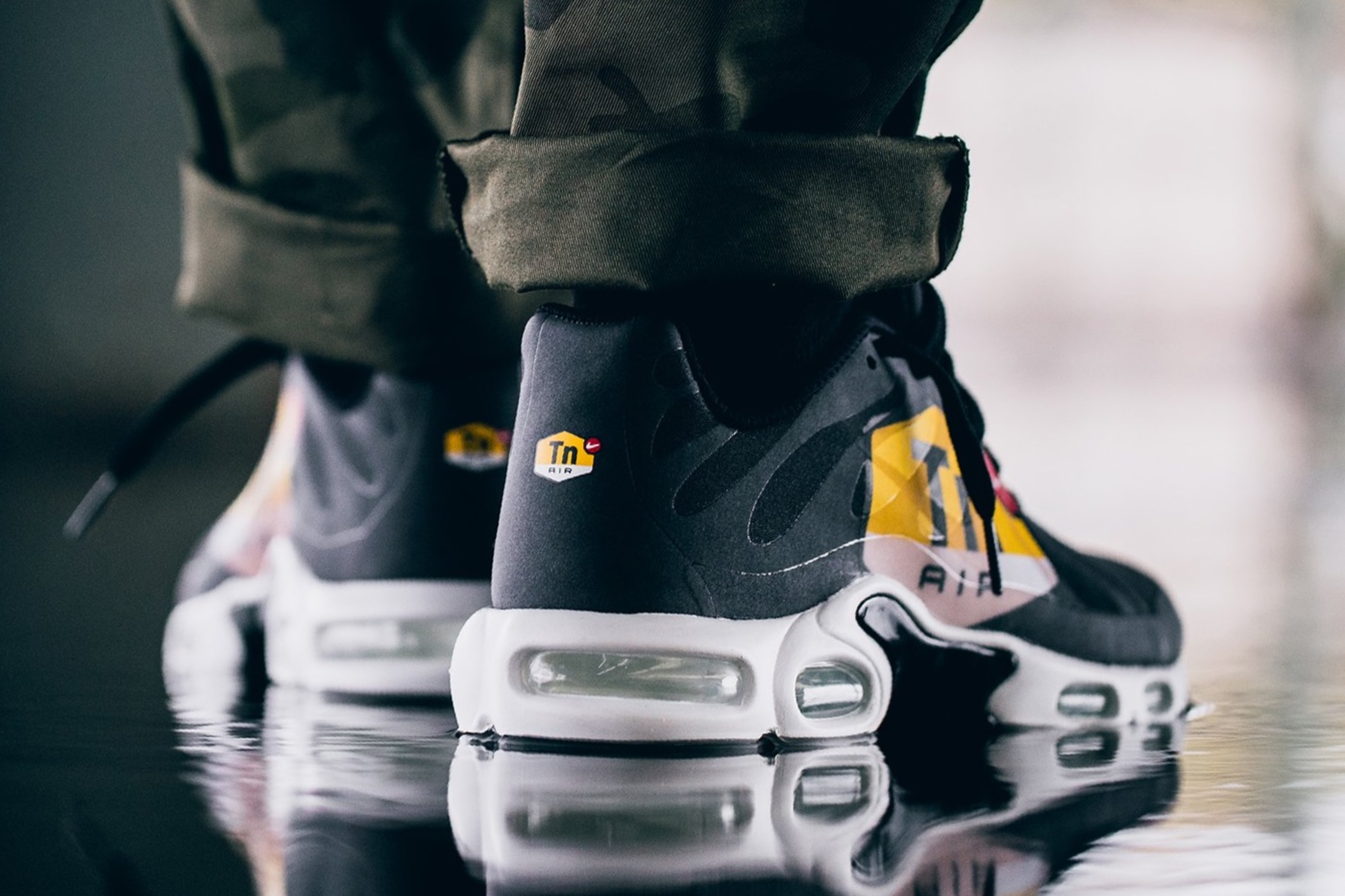 Image source: 43einhalb